While it’s impossible to replace decades of experience following the departure of sector experts, the incoming generation’s aptitude for technology is helping to bridge potential knowledge gaps, according to one buy-side trading head.
 Speaking about his own experience, Patrick Smith, head of trading Americas at Aberdeen Investments, shared that recent times have seen the firm lose a combined 70 years of experience through two consecutive retirements, highlighting how this phenomenon is contributing to the transition to multi-asset trading.
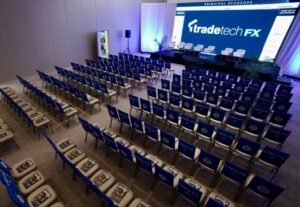
“We lost two senior FX dealers in the UK to retirement about three or four months apart. It was well telegraphed and we knew it was happening […] but you’re never going to replicate those relationships and that experience. However, with it, the market had changed, and the desk had changed and we saw it as an opportunity to think a little bit differently about how we would solve for that in the future,” he said speaking at the TradeTechFX US conference in Miami.
Read more – Multi-asset desks are the way forward argues Schroders’ Gordon Noonan
Across the industry, trading teams have continued to lose senior talent, with younger junior traders hitting the desks, highly reliant on exceptional technological capabilities.
When it comes to the hiring of these individuals, Smith affirmed that it is a continually demanding mission.
“As the years have gone by, the team has gotten more mature and older, and you want to be able to replace them with younger junior traders. Frankly, it’s been a little challenging. A lot of the jobs on Wall Street that were really appealing a generation ago aren’t quite as appealing now.
“[…] If we were fortunate to replace people who retired, we went a lot younger – which is good and in some cases we didn’t replace them and people picked up more opportunity, more work. People are doing more with less.”
True partnerships
When it comes to the current state of play and striking the correct balance between a focus on innovation and relationships, Smith explained that for Aberdeen maintaining connections is very much front of mind.
He explained: “At Aberdeen we’re fresh off two weeks of global broker reviews with our top panel of global brokers and there’s long standing relationships that are really important and we don’t want to disrupt that.
“However, we also want to embrace the technology – use automation, use FX algos – so we’ve had some senior equity and credit traders pick that up and be trained. In other instances some had experience from previous jobs and so have taken over a lot of the FX trading.”
Read more – Beyond the Data: Hedge funds increasingly beginning to push FX into the algo age as automation accelerates
It is in this phenomenon that lies the dilemma for heads of trading – maintaining execution quality and also keeping up with change, whilst also maintaining relationships to partnerships with the sell-side.
Smith said: “We know we need the sell-side and we need those relationships, and that’s why we put in the work on broker reviews so there are no surprises and we can have open conversations. We realise we’re not going to replace the experienced traders, those relationships, and so it’s really important we view the sell-side as a true partnership.”
Looking ahead, things are set to look different not just within the FX sphere, but across the whole capital markets. Speaking to the changing face of the asset class, Smith explained that in years to come, teams will need to see both an increased acceptance of technology, and also a willingness to learn and change.
“We’ll continue to explore automation and benefit from it in an FX perspective, and while it’s difficult to predict what I do know is we’ll be making better use of technology and hopefully we’ll be a little bit younger, and better multi-asset traders across the board.”